






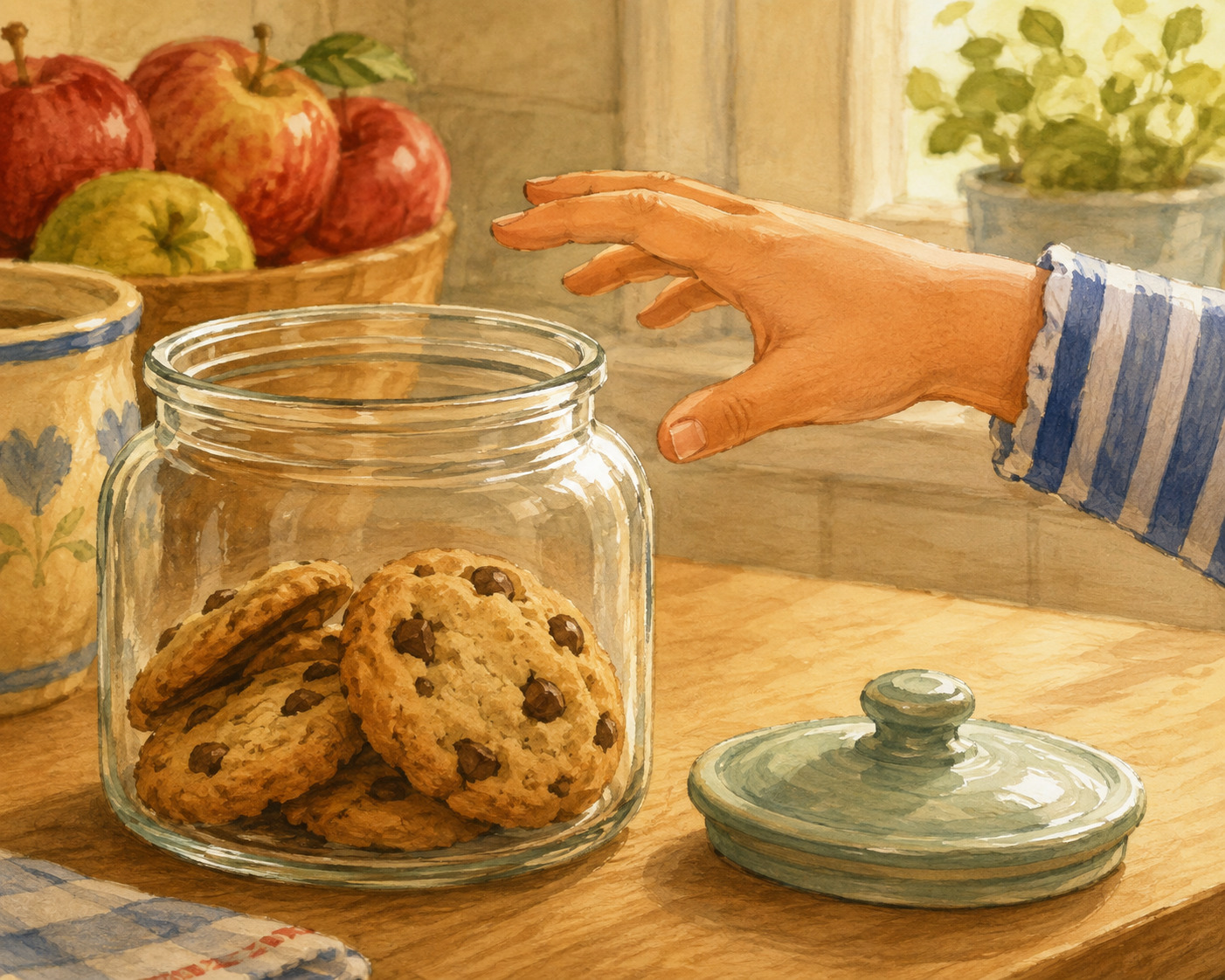
Sometimes kids know exactly what they’re supposed to say, but asking means waiting for the answer—and that second part can be surprisingly easy to miss.
“Can I use this?”
It sounds like a perfectly appropriate question. Except sometimes, by the time the child finishes asking it, the item is already in their hand and they’re walking away with it.
That’s when I remind kids of something simple but important: asking means waiting for the answer.
I see versions of this all the time.
“Can I have a turn?” — while reaching for the toy.
“Can I sit here?” — while already squeezing into the space.
“Can we play something else?” — while starting to change the game.
The child has learned to ask, which is great. But there’s an important little step that can easily get missed.
Teach Kids to ASK → WAIT → ACCEPT
I teach kids a simple three-step sequence:
ASK: Use your words to make the request.
WAIT: Pause. Keep your hands and body where they are and give the other person a chance to respond.
ACCEPT: Listen to the answer you are given — even when it isn’t the answer you hoped for.
We often spend a lot of time teaching children the first part. We remind them to ask before taking something, ask before joining an activity, or ask before changing what other kids are doing.
But asking the question isn’t enough.
Why Waiting for the Answer Matters
If I ask you a question while I’m already doing what I want to do, I haven’t really given you a choice.
I’ve announced my plan and put a question mark at the end of it.
That’s why the WAIT in ASK → WAIT → ACCEPT matters so much.
Waiting communicates something important:
Your answer matters to me.
That tiny pause gives the other person a genuine opportunity to respond. It also helps prevent many of the conflicts that happen when one child feels another child has grabbed something, taken over, crowded them, or ignored what they wanted.
Asking Means Waiting for the Answer — Even When It Might Be No
There’s another reason this skill can be tricky.
Sometimes kids don’t wait because they already know there’s a chance the answer won’t be the one they want.
Waiting means leaving room for:
“No.”
“Not yet.”
“I’m still using it.”
“I don’t want to play that.”
And accepting an answer we don’t like is a separate social skill in itself.
A child can be disappointed. They can wish the answer had been different. They may even appropriately ask again later.
But another person having the opportunity to say no is part of what makes a request a request.
How to Coach the Pause
If you notice a child asking while simultaneously taking action, you don’t necessarily need a long explanation.
Try simply saying:
“You asked. Now wait for the answer.”
You might also remind them to keep their hands or body where they are until the other person responds.
Then give them a chance to practice.
The goal isn’t to turn every interaction into a social skills lesson. With enough repetition, that tiny pause can become part of how a child naturally communicates with other people.
ASK → WAIT → ACCEPT.
Three little steps that can make a surprisingly big difference.
Looking for More Support?
Social skills are often built through small, everyday interactions like these. Children may need help learning how to ask, wait, handle an answer they don’t like, read another person’s reaction, or figure out what to do next.
At the Peter Pan Center, I use real-time social coaching to help children practice these skills while they’re actually interacting with other people.
You can learn more about our Weekly Social Coaching Programs or browse the Peter Pan Coaching Library for practical resources you can use with the kids in your life.
My newest parent guide, Why Can’t My Child Make Friends?, also takes a practical look at the skills and challenges that can get in the way when friendships don’t come easily.
And if you’d like more real-life coaching observations and strategies like this one, you can join the Social Coaching Scoop email list for a new Scoop each week.

Leave a Reply