






ADHD and Social Skills: Why Some Kids Struggle to Join In
Children with ADHD often struggle with social interactions, and many parents find themselves searching for answers about ADHD social skills in children.
It’s not because they don’t care — and it’s not because they’re trying to be difficult.
Many children with ADHD have difficulty managing the real-time demands of play, including knowing when to join in, how to stay with a group, and how to recover when things don’t go smoothly.
ADHD Social Skills in Children: What’s Really Happening
Difficulty with:
- Timing (jumping in too soon or too late)
- Impulsivity (grabbing control / interrupting)
- Flexibility (difficulty adjusting to others’ ideas)
- Emotional regulation (big reactions, quick shutdowns)
According to the CDC, ADHD can impact attention, impulse control, and social interactions.
What It Looks Like in Real Life
- “Can I play?” — but doesn’t know what to do next
- Takes over the game without realizing it
- Gets labeled as “bossy” or “too much”
- Walks away when things don’t go their way
- Wants friends… but can’t quite stay in the interaction
Why Traditional Social Skills Approaches Don’t Always Work
- Many programs focus on talking about social skills.
- But children with ADHD often need support in the moment — while they’re navigating real interactions with peers.
How We Support Children with ADHD at the Peter Pan Center
Children with ADHD often benefit from real-time support, not just conversations about social skills.
At the Peter Pan Center, we focus on:
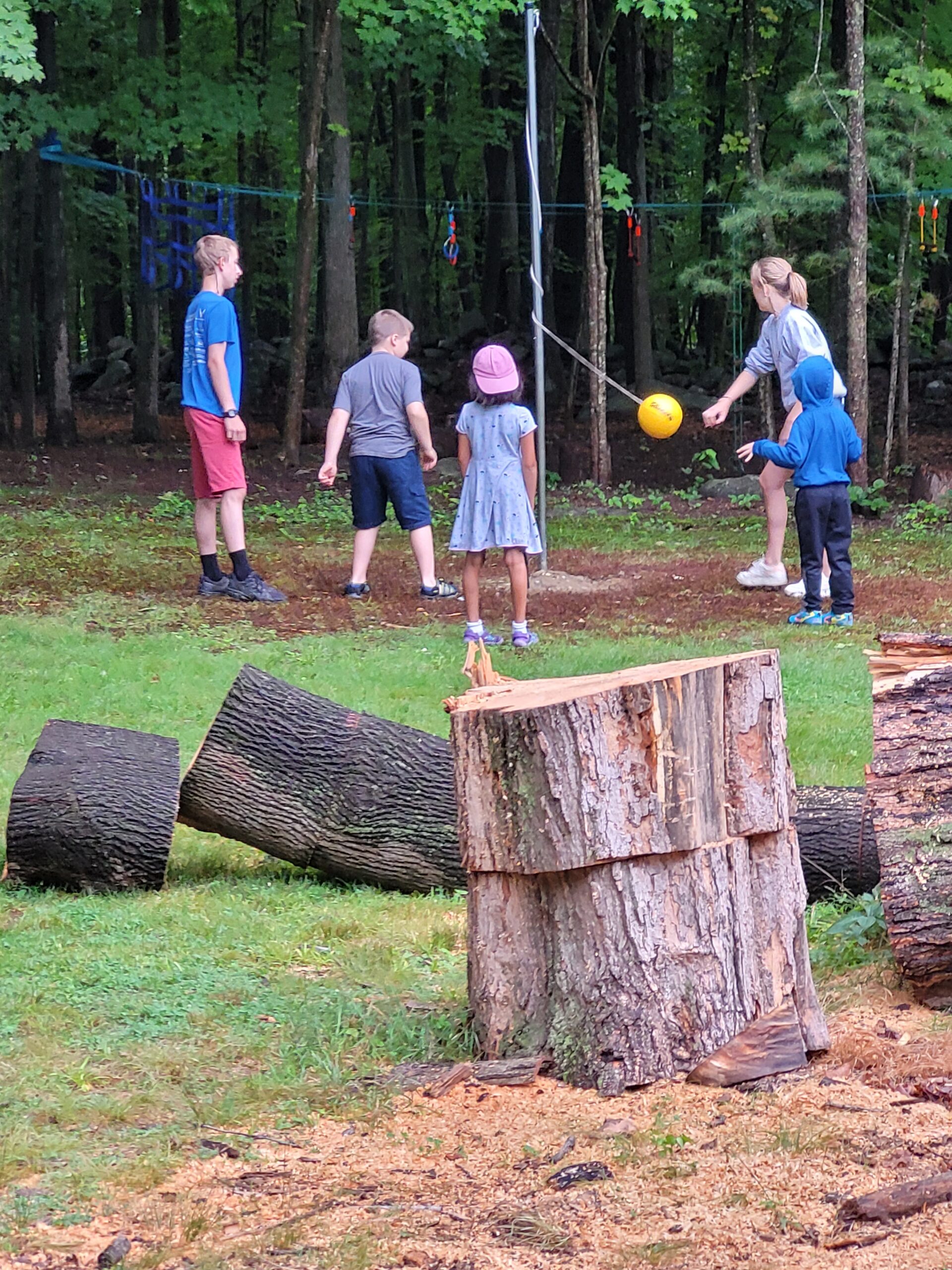
- real-time coaching during play
- small, supportive groups
- guided practice with opportunities to reset and try again
- flexible, responsive coaching (not scripted or worksheet-based)
During the school year, this happens in our weekly social groups.
In the summer, we offer small-group programs that provide a more relaxed pace and extended time to build confidence, practice joining in, and stay engaged with peers.
When to Consider Extra Support
If your child is:
- struggling to join or stay in play
- feeling left out or misunderstood
- starting to avoid social situations
- early support can make a meaningful difference.
If you’re wondering whether this type of support would be a good fit for your child, you’re welcome to reach out.
We can talk through what you’re seeing and whether a group setting feels like the right next step.
Call or text 978-413-1965 or email dshea.peterpancenter@gmail.com to schedule a phone call or visit. Let’s talk about how social coaching can help your child grow friendships and confidence.
